
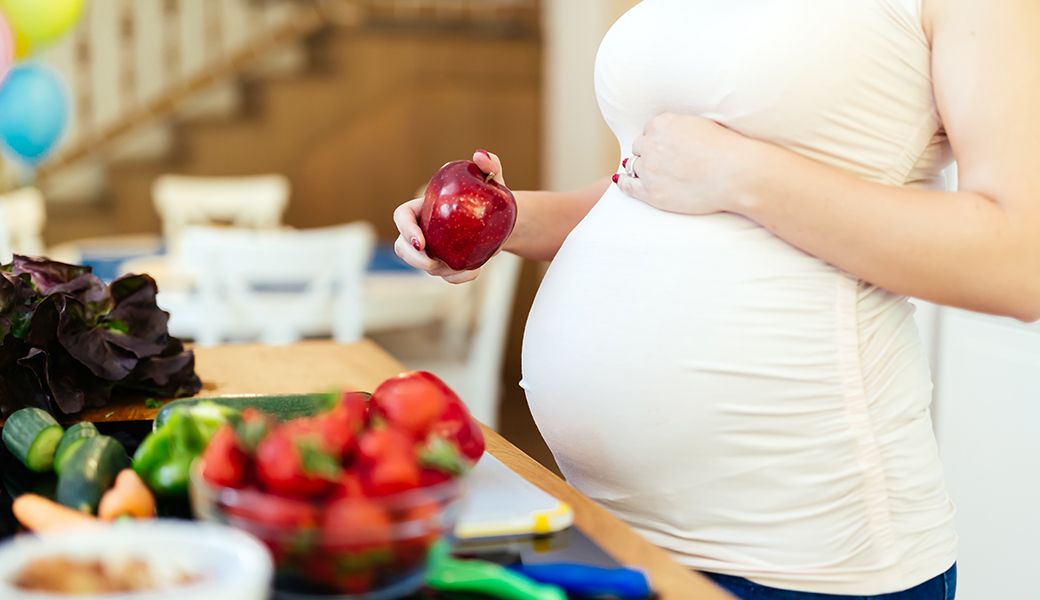
Pregnancy is a special time in a woman's life when proper nutrition is crucial for the health and development of both the mother and the baby. Eating a balanced and nutrient-rich diet during pregnancy can help ensure a healthy pregnancy and support the growth of a strong and happy baby. In this guide, we'll explore the essential elements of a healthy diet for pregnant women.
1. Nutrient-Dense Foods
During pregnancy, it's essential to focus on nutrient-dense foods that provide a wide range of vitamins and minerals. These include:
Fruits and Vegetables: Aim to fill half your plate with a variety of colorful fruits and vegetables. They provide essential vitamins, minerals, and fiber.
Whole Grains: Choose whole grains like brown rice, whole wheat bread, and oats for their fiber and nutrients.
Lean Protein: Opt for lean sources of protein such as poultry, fish, beans, tofu, and nuts. Protein is essential for fetal development.
2. Folate and Folic Acid
Folate (also known as vitamin B9) is crucial for preventing neural tube defects in the baby's brain and spine. Foods rich in folate include leafy greens, fortified cereals, and legumes. Many prenatal supplements also contain folic acid, which is the synthetic form of folate.
3. Calcium
Calcium is essential for the development of your baby's bones and teeth. Include dairy products like milk, yogurt, and cheese in your diet. If you're lactose intolerant or vegan, consider fortified plant-based milk alternatives and leafy greens.
4. Iron
Iron is vital for preventing anemia during pregnancy. Incorporate iron-rich foods like lean red meat, poultry, beans, and fortified cereals. Pair iron-rich foods with vitamin C-rich foods like citrus fruits to enhance absorption.
5. Omega-3 Fatty Acids
Omega-3 fatty acids, especially DHA (docosahexaenoic acid), are essential for your baby's brain and eye development. Include fatty fish like salmon and trout in your diet. If you don't consume fish, consider a DHA supplement recommended by your healthcare provider.
6. Hydration
Stay well-hydrated during pregnancy. Water is crucial for various bodily functions, and dehydration can lead to complications. Aim to drink at least eight 8-ounce glasses of water daily.
7. Limit Processed Foods and Sugars
Minimize your intake of processed foods, sugary snacks, and sugary drinks. These provide empty calories and can lead to excessive weight gain during pregnancy.
8. Caffeine and Alcohol
Limit caffeine intake as excessive caffeine may increase the risk of preterm birth and low birth weight. It's best to avoid alcohol altogether during pregnancy to prevent fetal alcohol spectrum disorders.
9. Small, Frequent Meals
Eating smaller, more frequent meals can help alleviate common pregnancy discomforts like nausea and heartburn. It can also help stabilize blood sugar levels.
10. Prenatal Supplements
Even with a balanced diet, it can be challenging to get all the necessary nutrients during pregnancy. Consult your healthcare provider about prenatal supplements, including folic acid, iron, and DHA.
11. Listen to Your Body
Pay attention to your body's signals of hunger and fullness. Pregnancy can bring about changes in appetite, and it's important to honor those cues.
12. Special Dietary Considerations
If you have dietary restrictions, such as vegetarianism or food allergies, consult a registered dietitian or healthcare provider to ensure you're meeting your nutritional needs during pregnancy.
13. Regular Prenatal Check-ups
Schedule regular prenatal check-ups with your healthcare provider. They can monitor your health, offer guidance on nutrition, and address any concerns.
14. Food Safety
Practice food safety by avoiding raw or undercooked seafood, eggs, and meat. Be cautious with unpasteurized dairy products and soft cheeses, which can carry harmful bacteria.
A healthy diet during pregnancy is essential for the well-being of both you and your baby. Remember that every pregnancy is unique, and individual dietary needs may vary. Consult with your healthcare provider or a registered dietitian to create a personalized nutrition plan that meets your specific requirements and ensures a healthy and happy pregnancy journey.