
Introduction
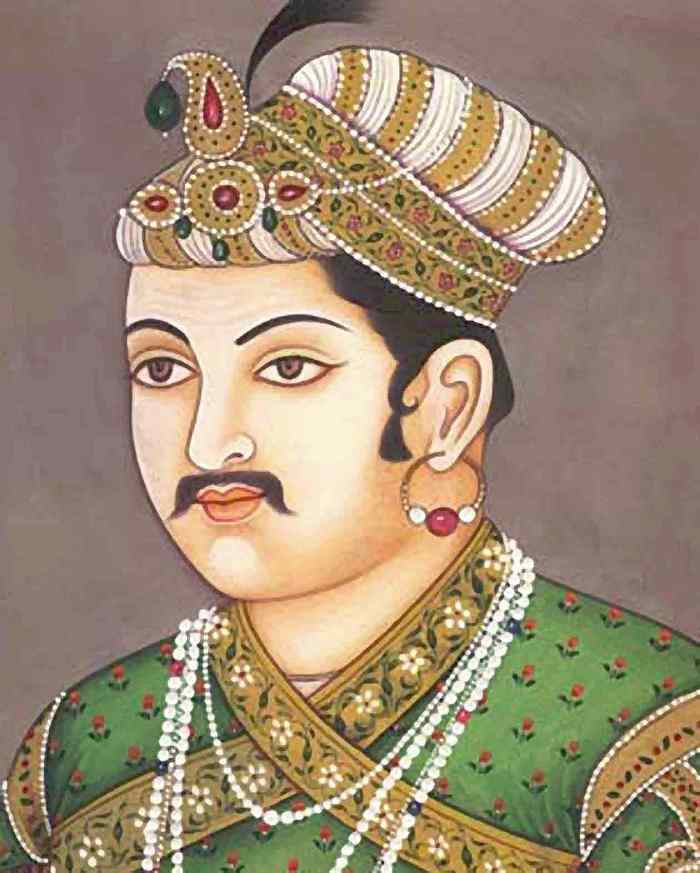
The Mughal Empire, one of the most illustrious dynasties in Indian history, witnessed the reign of several remarkable rulers. Among them, Akbar the Great, who ruled from 1556 to 1605, stands out as a truly enlightened and visionary monarch. This article delves into the life and legacy of Akbar, highlighting his accomplishments as a warrior king and his contributions to art, culture, and governance.
Early Life and Ascension to the Throne
Akbar, whose full name was Jalal-ud-din Muhammad Akbar, was born in 1542 in Umarkot, Sindh (in present-day Pakistan). His father, Humayun, was the second emperor of the Mughal Empire, while his grandfather, Babur, was the founder. Akbar ascended to the throne at a tender age of 13, following his father's death.
Military Exploits
Akbar inherited an empire that was still relatively young and faced numerous internal and external challenges. One of his earliest military achievements was the successful recapture of the Punjab region, which had been lost to regional rulers. Over time, he expanded his empire to encompass a vast territory that included most of the Indian subcontinent.
One of Akbar's most significant military campaigns was against the Afghan chieftain Hemu. In the Second Battle of Panipat in 1556, Akbar's forces, led by his regent and guardian, Bairam Khan, defeated Hemu, securing his hold on the throne and the Mughal Empire's future.
Religious Tolerance and Policy of Sulh-i-Kul
What truly set Akbar apart from his predecessors and contemporaries was his visionary approach to governance. He recognized the diversity of his empire, which included people of various religions, languages, and cultures. Akbar's policy of "Sulh-i-Kul" (Peace with All) aimed at religious tolerance and understanding. He abolished the jizya tax on non-Muslims and fostered an environment where people of different faiths could live and worship freely.
Akbar was also instrumental in the development of a syncretic religion known as Din-i Ilahi, which sought to combine elements of various faiths into a single, harmonious belief system. Although it did not gain widespread acceptance, it reflected Akbar's inclusive mindset.
Patron of Arts and Culture
Akbar's court was a hub of art and culture, attracting poets, painters, musicians, and scholars from various corners of the empire and beyond. He was a prolific patron of the arts and encouraged the production of Persian literature, miniature paintings, and architectural marvels. His cultural endeavors culminated in the creation of the Akbarnama, a monumental work of history and biography commissioned by the emperor.
Legacy and Conclusion
Akbar's reign is remembered as a golden age of the Mughal Empire. His enlightened policies, military prowess, and patronage of art and culture left an indelible mark on India's history. His legacy endures not only as a great warrior king but also as a visionary leader who recognized the importance of religious tolerance and multiculturalism in a diverse and complex empire. Akbar the Great remains an iconic figure whose legacy continues to inspire generations, reminding us of the power of enlightened leadership and cultural richness.