
Introduction
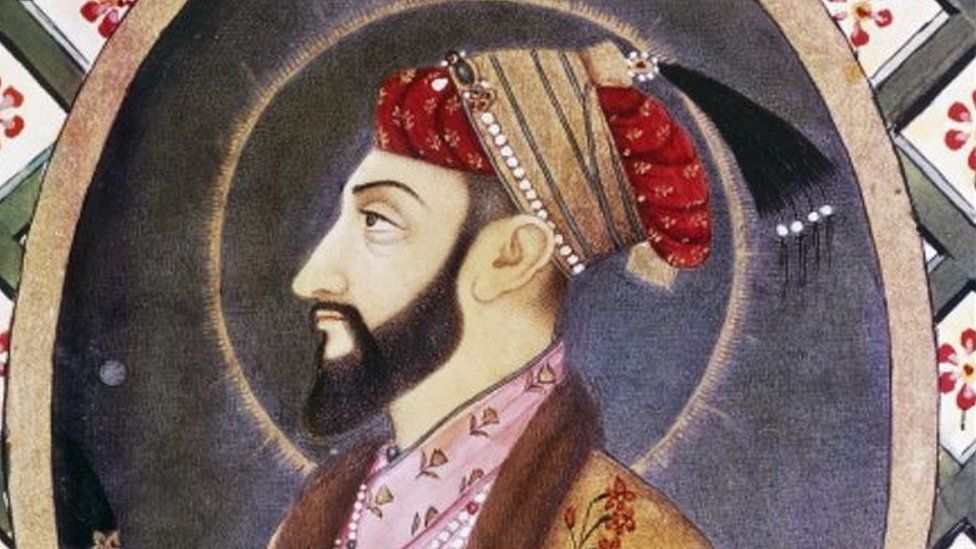
Aurangzeb Alamgir, the sixth emperor of the Mughal Empire, is a figure whose reign is both celebrated and criticized in equal measure. His nearly five-decade rule from 1658 to 1707 was marked by significant military campaigns and expansion, but it is also remembered for its controversies. This article explores the life, achievements, and complexities of Aurangzeb, one of the most controversial warrior-emperors in the history of the Mughal Empire.
Early Life and Ascension to the Throne
Aurangzeb was born on October 24, 1618, in Dahod, Gujarat, as the third son of Emperor Shah Jahan and Mumtaz Mahal. His early life was marked by political intrigue and competition with his siblings for the Mughal throne. After a series of conflicts with his brothers and father, Aurangzeb emerged victorious and ascended to the throne in 1658, following a rebellion against Shah Jahan.
Military Campaigns and Expansion
Aurangzeb's reign was characterized by significant military campaigns aimed at expanding the Mughal Empire. He waged wars against various regional powers, including the Deccan Sultanates, the Marathas, and the Rajputs. His campaigns in the Deccan, in particular, were long and grueling but resulted in the Mughals gaining control over a vast territory.
Religious Policies and Controversies
Aurangzeb's rule is often associated with a more conservative interpretation of Islam compared to his predecessors. He attempted to implement Islamic law more rigorously and discouraged practices that he considered un-Islamic. This led to tensions with various religious and social groups within his empire.
One of the most controversial aspects of his rule was his treatment of non-Muslims. While he did not ban Hinduism or other religions, he imposed certain restrictions on non-Muslims and imposed the jizya tax on non-Muslims, which had been abolished by some of his predecessors.
Legacy and Complexities
Aurangzeb's legacy is complex and polarized. On one hand, he is celebrated for his military achievements and expansion of the Mughal Empire to its greatest territorial extent. He was also known for his personal piety and simplicity in contrast to the opulence of his predecessors.
On the other hand, his religious policies and the harsh treatment of some religious and social groups have generated criticism. His efforts to impose stricter Islamic orthodoxy and his policies toward non-Muslims remain topics of debate among historians.
Conclusion
Aurangzeb Alamgir was a complex figure in the history of the Mughal Empire. His military conquests and expansion contributed to the empire's territorial growth, but his religious policies and controversies have left a mixed legacy. He remains a significant and intriguing figure in the rich tapestry of Mughal history, a ruler whose reign was marked by both military triumphs and religious complexities that continue to be debated and discussed to this day.