
Introduction
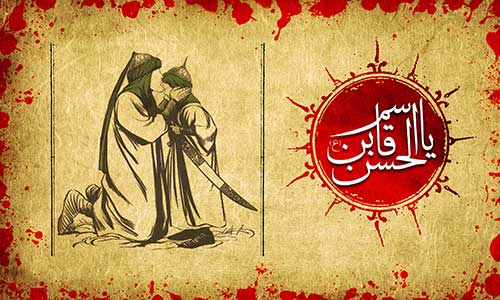
Hazrat Qasim ibn Hasan, often referred to simply as Qasim, was a significant figure in the tragic events of Karbala during the early days of Islam. He was the son of Imam Hasan ibn Ali and an important member of the Prophet Muhammad's (peace be upon him) noble household. This article explores the life, devotion, and sacrifice of Hazrat Qasim during the Battle of Karbala.
Early Life and Family Background
Hazrat Qasim was born in the year 47 AH (After Hijra), making him a young member of the Ahl al-Bayt, the family of the Prophet Muhammad (peace be upon him). He was the son of Imam Hasan and the grandson of Imam Ali and Fatimah al-Zahra, the daughter of the Prophet.
Growing up in the illustrious household of the Prophet, Qasim received a noble upbringing steeped in Islamic ethics and values. He learned from his family the importance of justice, compassion, and unwavering devotion to God.
Devotion to Imam Hussein
As the events leading up to the Battle of Karbala unfolded, Hazrat Qasim displayed an unwavering commitment to his uncle, Imam Hussein. He eagerly volunteered to join Imam Hussein's small group of loyal followers in Karbala, despite his young age. Qasim's presence on the battlefield symbolized the deep devotion of the Ahl al-Bayt to upholding the truth and justice.
The Battle of Karbala
The Battle of Karbala took place on the 10th of Muharram in the year 680 CE (61 AH). Despite being only a teenager, Hazrat Qasim displayed remarkable courage and valor on the battlefield. He fought alongside his uncle, Imam Hussein, against the oppressive forces of Yazid ibn Muawiya, who sought to usurp the leadership of the Muslim community.
Qasim's heroic actions and unwavering faith inspired those around him. He fought valiantly, defending the principles of justice and righteousness. Tragically, in the midst of the intense battle, Qasim was struck down by the enemy, and his young life was tragically cut short.
Legacy and Commemoration
Hazrat Qasim's sacrifice in Karbala serves as a poignant reminder of the profound commitment of the Prophet's family to preserving the values of Islam. His unwavering devotion to his uncle Imam Hussein and his willingness to give his life for the sake of justice continue to inspire millions of Muslims worldwide.
Annually, during the first month of the Islamic lunar calendar, Muharram, Muslims commemorate the tragic events of Karbala, remembering Hazrat Qasim and all the martyrs who stood against oppression. These commemorations, known as Muharram or Ashura, serve as a time of reflection, mourning, and recommitment to the principles of justice, sacrifice, and devotion to God.
In conclusion, Hazrat Qasim ibn Hasan remains a symbol of unwavering faith, devotion to family, and the courage to stand against injustice. His legacy reminds us of the enduring values of Islam and the importance of upholding truth and righteousness, even in the face of great adversity.